
Best-Performing Asset Classes
Bonds may outperform stocks one year only to have stocks rebound the next.


Lunchbox joined our family as a rescue from BARC last December when she was about six months old.
She was not happy about it.
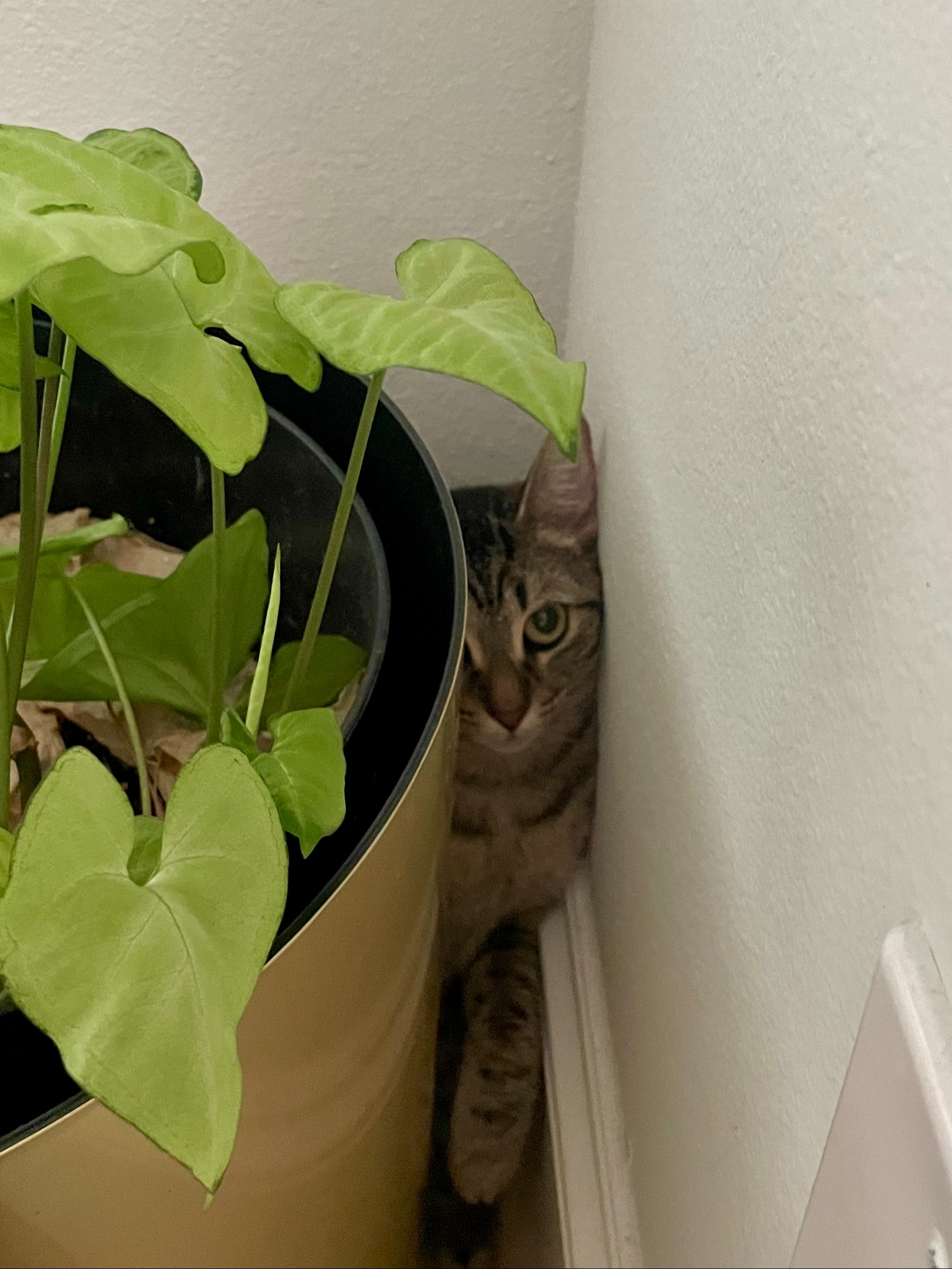
She spent her first month with me hiding any place she could. She hid behind the toilet, house plants, propped open doors, and anywhere else she could stay out of view.
In investment parlance, she was displaying deep risk aversion. Coming out in the open was risky and she wasn't going to do it.
How was I going to get this risk averse kitty to come out and play?
I could have forced her, but that seemed like a good way to get scratched up and scare the living daylights out of the cat I was trying to befriend.
So, I worked within her risk tolerance.
I placed her in a small, quiet room with everything she needed so she could decompress. Periodically I would come in to offer food and treats in exchange for creeping out from behind the toilet; just a few inches at first.
As we learned to trust each other, I began to offer her more space to explore. Her confidence grew and eventually she felt comfortable enough to start playing with toys and roaming the house. I knew we were going to be ok the first time she rubbed against my leg, purring quietly.
This is her today. A very comfortable and happy cat.
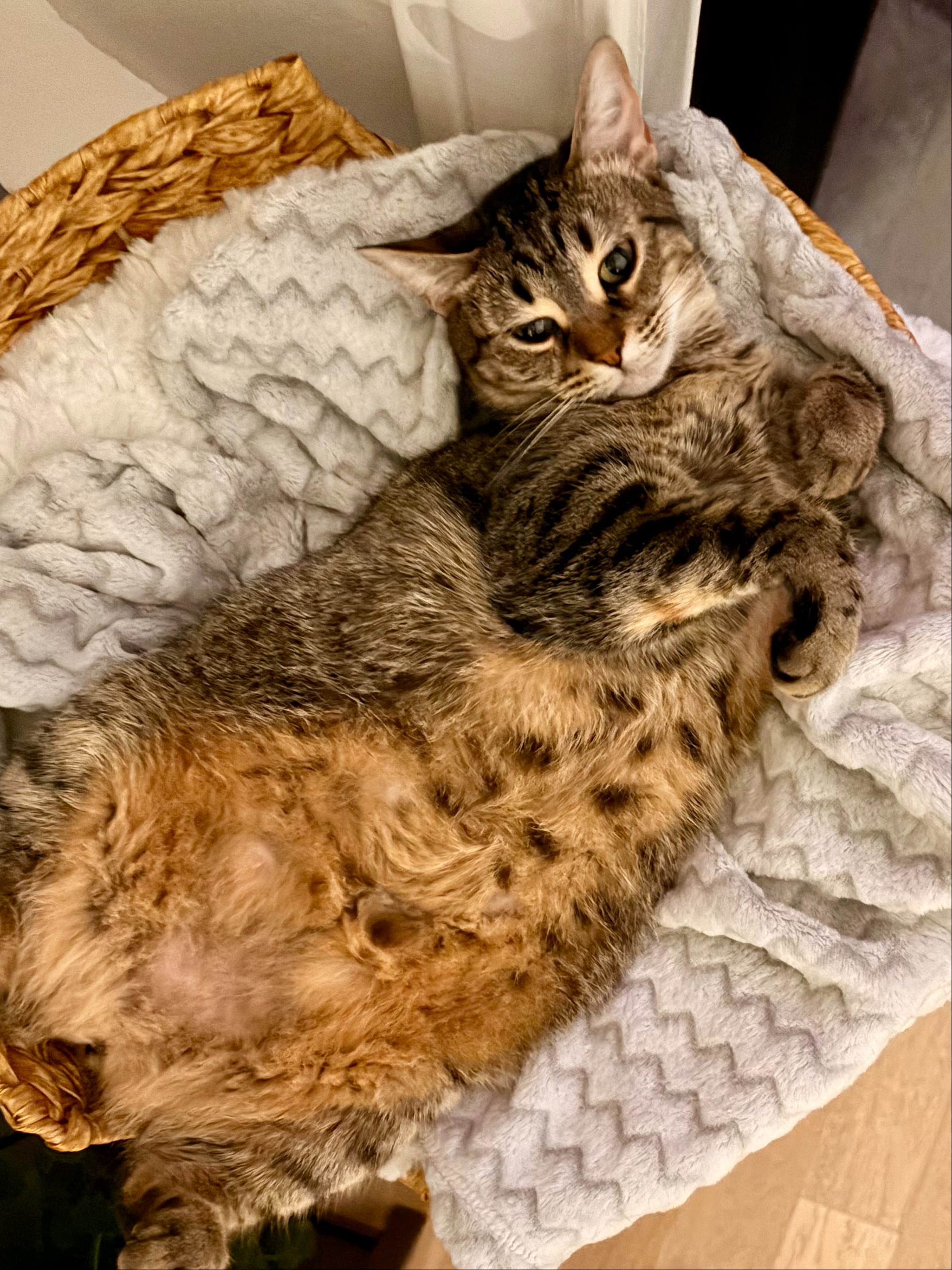
If you've never done something before like investing, starting a business, or retiring; it can feel scary. But as you settle in and learn the ropes, you may find that you are less worried and more comfortable.
Your risk tolerance will change with experience. That's why the conversation about risk is one that you and I will never stop having.
If I've done my job well, you'll be like Lunchbox, enjoying a peaceful life filled with all the stuff you like and very few worries.
Bonds may outperform stocks one year only to have stocks rebound the next.

When selecting a mortgage, one of the most critical choices is between a fixed or variable interest-rate mortgage.

Federal estate taxes have long been a source of funding for the federal government.

The impact that Artificial Intelligence (AI) tools can have on retirees with a consulting or small business venture.

Ross looks at new highs, the effect of rising yields, the market’s current “cheapness,” and a couple of historical tidbits.
It can be difficult for clients to imagine how much they'll spend in retirement. This short, insightful article is useful.

Federal regulators are reconsidering rules that could give the Fed greater flexibility to reduce its balance sheet.

Ross looks at this year’s strong corporate profit growth, Iran, and the historical relative strength of fourth quarters.

How long does a $20 bill last?